
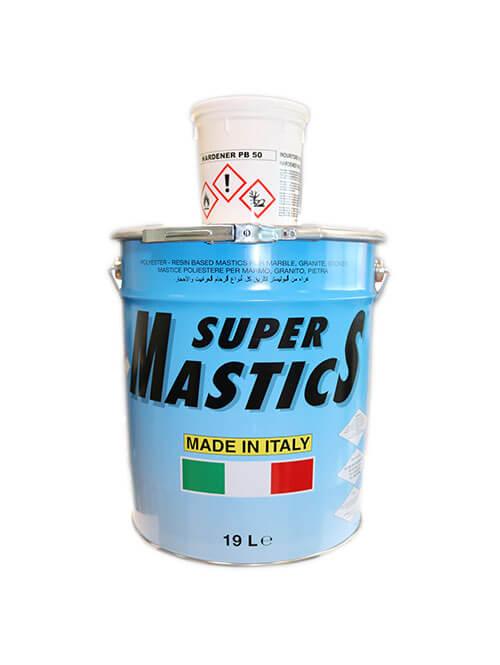
Description
Mastic Glue – Flexible Bonding for Challenging Construction Details
Mastic glue is a flexible adhesive sealant designed for applications where rigid bonding materials are not suitable. In many construction and fit-out scenarios, different materials expand, contract, and move at different rates. A standard hard-setting adhesive can fail under this stress, leading to cracking or detachment. Mastic glue solves this issue by maintaining flexibility after curing, allowing the bond to move without breaking.
It is widely used in finishing and interior installation work where speed and versatility are important. The material is easy to apply and adheres well to a broad range of substrates, making it a practical choice on site when multiple materials need to be joined cleanly and securely.
Mastic glue is commonly used for bonding trims, profiles, and accessories onto tiled surfaces, ensuring a neat finish without visible mechanical fixings. It is also effective for flexible joints between dissimilar materials in wall and floor systems, where movement is expected due to thermal changes or structural settling.
In fit-out projects across residential and commercial developments, especially in environments like the UAE where temperature fluctuations are frequent, mastic glue provides a dependable solution. It supports long-term performance in finishing applications where both adhesion and flexibility are equally important, helping maintain clean detailing and reducing the risk of joint failure over time.
Types of Mastic Glue
Mastic glue is available in different formulations to suit a variety of construction applications. The appropriate product depends on the materials being bonded, the installation environment, and the project requirements. Selecting the right formulation helps achieve reliable performance for both interior and exterior applications.
Acrylic Mastic Glue
Acrylic mastic glue is water-based, fast-drying, and paintable once cured. It bonds well to common interior substrates including plaster, concrete, and wood-based panels. It is primarily used for sealing joints at internal wall and ceiling junctions, around window and door frames, and along skirting lines. Acrylic mastic is generally intended for interior applications and is not typically recommended for areas exposed to continuous moisture. For wet areas, alternative formulations such as silicone or polyurethane may be more suitable depending on the application.
Silicone Mastic Glue
Silicone mastic glue offers long-lasting flexibility and good resistance to moisture, heat, and UV exposure. These properties make it a suitable choice for both interior wet areas and selected exterior applications, depending on the project requirements. Silicone mastic adheres well to non-porous surfaces, including glass, metal, and ceramic tile, making it a common choice for sealing around bathroom fixtures, kitchen splashbacks, and wet area transitions. It does not accept paint and should be selected in the correct color at the time of application.
Polyurethane Mastic Glue
Polyurethane mastic glue combines strong adhesion with durability under mechanical load. It bonds well to porous substrates such as concrete, brick, and masonry and is frequently used for expansion joints in flooring systems, connections between structural elements, and sealing around penetrations in concrete. Polyurethane mastic is commonly used in commercial and industrial projects where both flexibility and durable adhesion are required. The appropriate formulation should always be selected based on the project specifications and installation conditions.
Where Mastic Glue Is Used in Construction Projects Across the GCC
Mastic glue is used across a wide range of finishing, sealing, and bonding applications in both residential and commercial construction. In tile installations, it bonds trim profiles, edge strips, and transition pieces to tiled surfaces without the need for mechanical fixings, keeping finishes clean and uninterrupted. Mastic glue is commonly used alongside tile adhesive systems to complete movement joints, edge details, and transitions between different surfaces. For more on complementary tile adhesive options, see the Tile Adhesive and Grout range available from CretePro Trading.
In wet areas, including bathrooms, shower rooms, and pool surrounds, mastic glue seals the joints between tiled surfaces and adjacent fixtures such as baths, shower trays, basins, and wall panels. These joints must remain watertight and flexible, as the surfaces around them expand and contract with temperature and humidity changes. For projects where waterproofing membranes are also required beneath the tile system, CretePro Trading supplies a dedicated waterproofing range for bathroom floors, wet rooms, and swimming pools.
In exterior applications, mastic glue is used to seal joints around window and door frames, along cladding panel edges, and at expansion joints in facade systems. Silicone and polyurethane formulations are commonly selected for exterior applications because they are suitable for conditions where moisture, sunlight, and temperature changes are expected. The appropriate product should be selected based on the project requirements. For inquiries on product selection and project supply across the UAE, Bahrain, Kuwait, Oman, Qatar, and Saudi Arabia, contact the CretePro Trading team.
CretePro Trading supplies mastic glue and construction sealants for residential, commercial, and industrial projects across the UAE, Bahrain, Kuwait, Oman, Qatar, and Saudi Arabia. Contact our team for product information, technical support, pricing, and bulk supply inquiries.
Frequently Asked Questions
What is the difference between mastic glue and standard tile adhesive?
Mastic glue and standard tile adhesive serve different roles. Cementitious tile adhesive bonds tiles across large surfaces, while mastic glue is used in flexible zones such as movement joints, around fixtures, and surface transitions. Using mastic in high-movement areas helps prevent cracking and detachment over time.
Can mastic glue be used in swimming pools and wet rooms in the UAE?
Yes, if the correct formulation is selected. Mastic glue is suitable for joints in wet areas and pool surrounds where flexibility and moisture resistance are needed. For continuous water exposure, proper waterproofing systems should also be used alongside the installation.
How long does mastic glue take to cure in the UAE climate?
Curing time depends on product type, joint depth, temperature, and humidity. Typically, many mastic products cure within 24 to 48 hours, but manufacturer guidelines should always be followed.
What substrates does mastic glue bond to?
Mastic glue bonds to materials such as concrete, cement screed, ceramic and porcelain tiles, natural stone, glass, metal, aluminum, and painted surfaces. Acrylic mastic suits porous substrates, silicone works best on non-porous surfaces, and polyurethane performs well across mixed substrates.
Is mastic glue available for supply across GCC countries beyond the UAE?
Yes. CretePro Trading supplies tile adhesive and sealant products across the GCC, including Bahrain, Kuwait, Oman, Qatar, Saudi Arabia, and the UAE. Contact the team for technical data sheets, specifications, and pricing.
Be the first to review “MASTIC GLUE” Cancel reply

Reviews
There are no reviews yet.