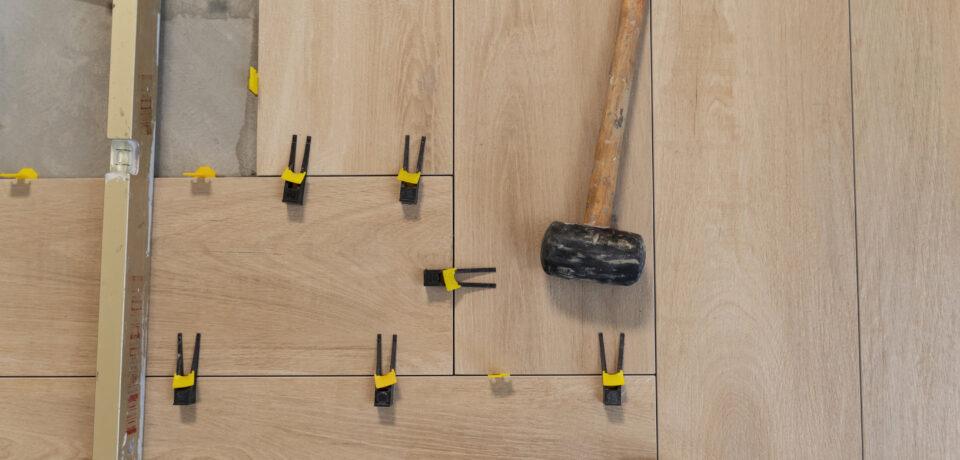
Tile Spacer Sizes Explained: Choosing the Right One for Your Project
When it comes to tile installation, achieving a clean, professional finish isn’t just about the tiles themselves, it’s also about the details in between. One of the most overlooked yet essential tools in tiling is the tile spacer. Choosing the right tile spacer size can make a significant difference in the final look, durability, and alignment of your project.
In this blog, we’ll break down tile spacer sizes, their applications, and how to select the perfect one for your specific needs.
What Is a Tile Spacer?
A tile spacer is a small plastic tool used to create consistent gaps between tiles during installation. These gaps are later filled with grout, which helps:
- Maintain uniform spacing
- Allow for slight tile expansion
- Improve overall structural integrity
Without spacers, tiles can end up uneven, misaligned, or visually inconsistent.
Why Tile Spacer Size Matters
The size of the tile spacer directly affects:
- The width of grout lines
- The visual appearance of the tiled surface
- The ability to accommodate tile size variations
Choosing the wrong size can lead to poor aesthetics or installation issues, especially with uneven or natural materials.
[Also Read: How Saveto Ready-Mix Plaster Saves Time and Reduces Costs on Dubai Construction Sites]
Common Tile Spacer Sizes and Their Uses
1. 1mm – 2mm Spacers (Ultra-Thin Joints)
Best for:
- Rectified tiles (machine-cut with precise edges)
- Modern, seamless designs
- Wall tiles and polished surfaces
These spacers create a minimal grout line, giving a sleek and contemporary look. However, they require highly precise tile installation.
2. 2mm – 3mm Spacers (Standard Residential Use)
Best for:
- Ceramic and porcelain tiles
- Residential flooring and walls
- Bathrooms and kitchens
This is the most commonly used spacer size, offering a balance between aesthetics and practicality.
3. 3mm – 5mm Spacers (Versatile and Forgiving)
Best for:
- Slightly uneven tiles
- Natural stone installations
- Medium to large format tiles
Wider joints help compensate for minor tile irregularities and ensure better alignment.
[Also Read: Top 5 MC Bauchemie Products Every Building Contractor in Dubai Should Know]
4. 5mm – 10mm Spacers (Wide Grout Lines)
Best for:
- Rustic or traditional designs
- Outdoor areas
- Handmade or irregular tiles
These spacers create a bold grout line that enhances texture and visual depth.
Factors to Consider When Choosing Tile Spacer Size
1. Tile Type
- Rectified tiles → Use smaller spacers (1–2mm)
- Non-rectified tiles → Use larger spacers (2–5mm)
Precision-cut tiles allow tighter joints, while irregular tiles need more spacing.
2. Tile Size
- Small tiles → Smaller spacers
- Large format tiles → Medium spacers (2–4mm)
Larger tiles require slightly wider joints to account for movement and alignment.
[Also Read: What Is Fire Sealant and Why It’s Critical for Building Safety]
3. Surface Area
- Walls → Smaller grout lines for aesthetics
- Floors → Slightly larger grout lines for durability and flexibility
Floor tiles experience more stress, so wider joints help prevent cracking.
4. Design Preference
- Modern look → Thin grout lines
- Classic or rustic look → Wider grout lines
Spacer size plays a major role in the overall design style.
5. Environmental Conditions
In areas with temperature changes or moisture (like bathrooms or outdoor spaces), slightly larger spacers help accommodate expansion and contraction.
Types of Tile Spacers
Tile spacers come in different shapes and designs, including:
- Cross spacers – For standard grid layouts
- T-shaped spacers – For staggered patterns
- Wedge spacers – For fine adjustments
- Leveling spacers – Combine spacing and leveling functions
Choosing the right type enhances both accuracy and ease of installation.
Common Mistakes to Avoid
- Using very small spacers with uneven tiles
- Ignoring tile size variations
- Not considering grout type and thickness
- Removing spacers too early
- Inconsistent spacer placement
Avoiding these mistakes ensures a smoother installation process and better results.
[Also Read: Why Professionals Prefer Rai Fix Clamp for Precision Tile Installation]
Pro Tips for Perfect Tile Spacing
- Always use spacers consistently across the surface
- Check alignment frequently during installation
- Combine spacers with a tile leveling system for best results
- Choose high-quality spacers for durability and precision
- Match spacer size with grout type for optimal finish
Conclusion
Tile spacers may be small, but they play a crucial role in achieving a flawless tile installation. From ensuring uniform grout lines to improving durability and aesthetics, selecting the right spacer size is essential for both professionals and DIY enthusiasts.
By understanding tile spacer sizes and their applications, you can make informed decisions and achieve a polished, long-lasting result for any tiling project.
Frequently Asked Questions (FAQs)
Q1. What is the most common tile spacer size?
The most commonly used tile spacer size is 2mm to 3mm, as it provides a good balance between aesthetics and ease of installation.
Q2. Can I use the same spacer size for walls and floors?
Not always. Walls often use smaller spacers for a cleaner look, while floors may require slightly larger spacers to handle movement and load.
Q3. Are smaller grout lines always better?
No. While smaller grout lines look modern, they require perfectly even tiles and precise installation. In many cases, slightly larger grout lines provide better flexibility and durability.

Cretepro Building Material Trading LLC is the authorized importer, distributor and Trader of many well-known leading brands for Construction Chemicals, Building Maintenance and Allied products.