Best Waterproofing Products in Dubai: A Practical Guide for Contractors, Builders & Property Owners
Dubai is known for its iconic skyline, luxury developments, and rapid construction growth. But behind every successful structure lies something often overlooked—effective waterproofing. In a region where extreme weather conditions are the norm, choosing the right waterproofing solution is not just important, it’s essential.
Whether you are a contractor, builder, or property owner, understanding waterproofing systems can save you from costly repairs and long-term structural damage.
Why Waterproofing Is Critical in Dubai
Dubai’s environment presents unique challenges that can significantly impact buildings if not addressed properly.
Temperatures often exceed 45°C, causing materials to expand and contract daily. This constant thermal movement can lead to cracks in concrete and protective layers. Additionally, while rainfall is infrequent, it tends to be intense, leading to sudden water accumulation.
Humidity levels remain high throughout the year, and in coastal areas, salty air accelerates corrosion of structural elements. Groundwater in many parts of Dubai also contains salts that can deteriorate low-quality materials over time.
Without proper waterproofing, buildings are at risk of water seepage, mold growth, concrete deterioration, and even structural weakening. In many cases, poorly waterproofed structures start showing damage within just 2 to 5 years, resulting in expensive repair work.
This makes selecting the right waterproofing system a critical decision during construction or renovation.
Key Factors to Consider Before Choosing Waterproofing Products
Before selecting a waterproofing solution, it’s important to understand what characteristics are essential for Dubai’s climate.
Heat Resistance
Waterproofing materials must be able to withstand extreme temperatures without cracking or degrading. Thermal expansion is a major concern, especially for exposed surfaces like roofs.
UV Stability
In Dubai, surfaces are exposed to sunlight throughout the year. UV-resistant waterproofing products prevent deterioration caused by continuous sun exposure.
Salt and Chemical Resistance
Due to saline groundwater and coastal air, materials should resist chemical reactions that weaken structural integrity over time.
Flexibility
Buildings in Dubai experience constant expansion and contraction. Flexible waterproofing systems are necessary to accommodate these movements without failure.
Types of Waterproofing Products Best Suited for Dubai


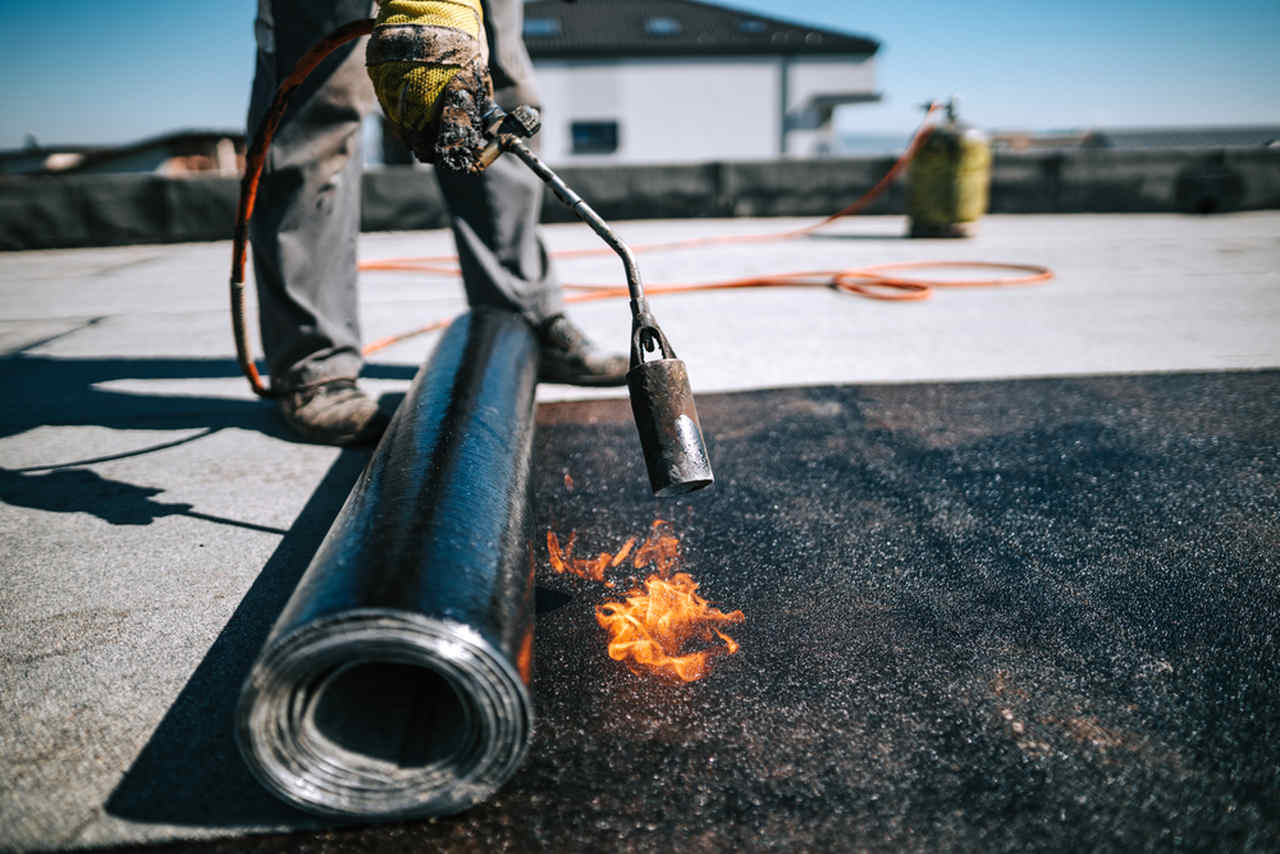
Different areas of a building require different waterproofing solutions. Below are the most effective types used across the UAE.
1. Cementitious Waterproofing Compounds
Cementitious waterproofing is one of the most commonly used methods, especially for internal wet areas.
Best suited for:
- Bathrooms
- Kitchens
- Water tanks
- Internal surfaces
These products are easy to apply and bond well with concrete surfaces. They are cost-effective and reliable for areas that are not exposed to significant structural movement.
However, they are less flexible compared to other systems and may not perform well in areas subject to frequent expansion and contraction. For long-term durability, they often require protective coatings.
This solution is ideal for residential interiors where budget and simplicity are priorities.
2. Liquid Waterproofing Membranes
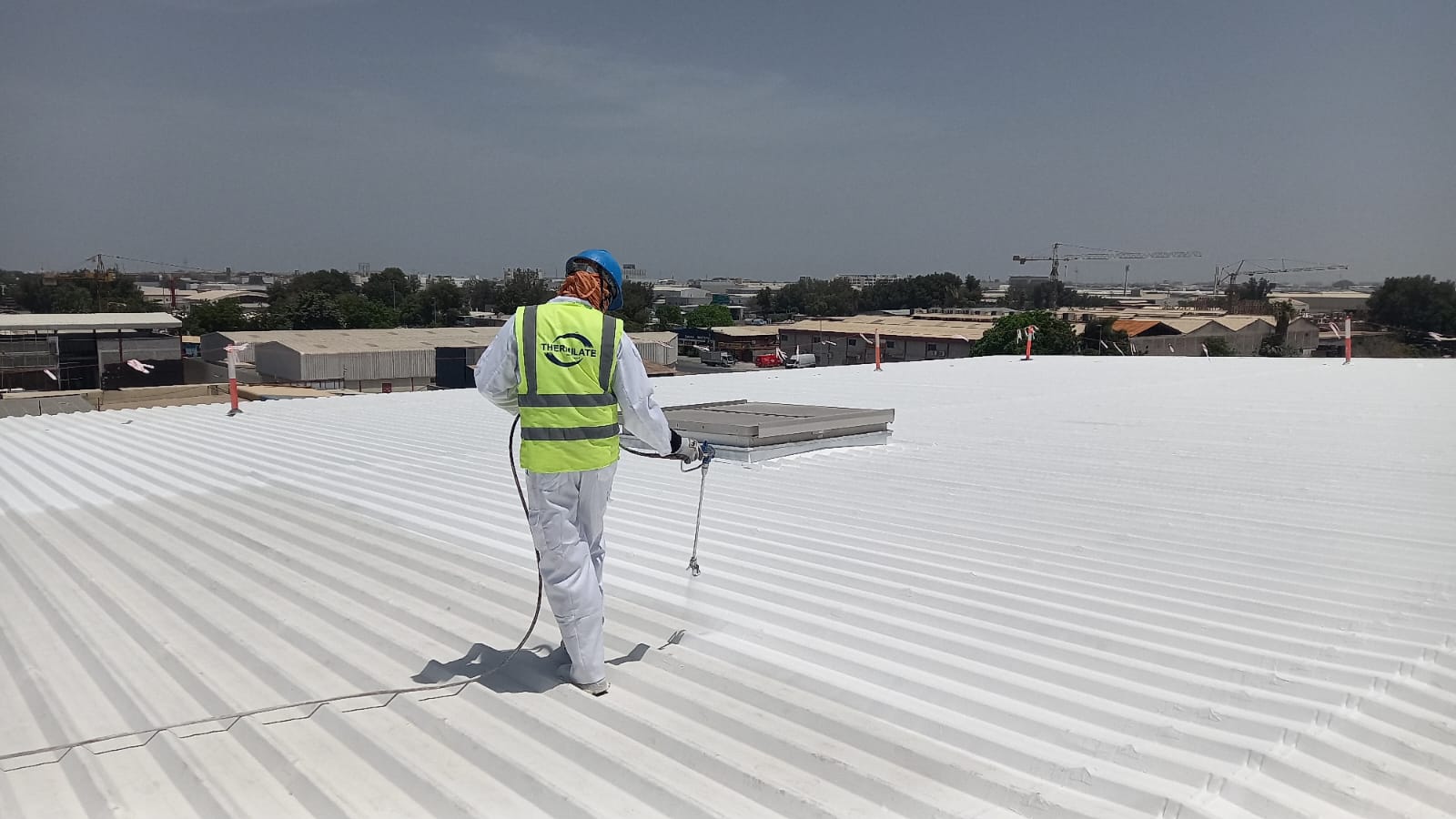
Liquid membranes are among the most preferred waterproofing solutions in Dubai due to their versatility and performance.
Best suited for:
- Roof slabs
- Balconies
- Podiums
- External walls
These systems are applied as a liquid and cure to form a seamless, joint-free membrane. This eliminates weak points where water can penetrate.
They offer excellent flexibility, UV resistance, and long service life. Because they adapt well to surface movement, they are particularly effective in Dubai’s climate.
Maintenance is relatively easy, and repairs can be done without removing the entire system. For most residential and commercial projects, liquid membranes provide an excellent balance of performance and cost.
3. Bituminous Waterproofing Membranes
Bituminous membranes are widely used for below-ground waterproofing due to their strong water resistance.
Best suited for:
- Basements
- Foundations
- Retaining walls
These membranes have a proven track record in UAE soil conditions. They provide excellent protection against water ingress and are highly durable when properly installed.
However, installation requires skilled professionals and proper surface preparation. In most cases, a protective screed layer is necessary to prevent damage during construction activities.
For underground structures, bituminous systems remain one of the most reliable solutions.
4. Polyurethane (PU) Waterproofing Systems
Polyurethane waterproofing is considered a premium solution, widely used in commercial and high-end projects.
Best suited for:
- Roofs
- Parking decks
- Industrial buildings
These systems offer exceptional flexibility and crack-bridging capabilities. They can withstand significant structural movement without failure.
PU coatings are also resistant to chemicals and UV radiation, making them ideal for exposed environments. In Dubai’s extreme climate, they perform exceptionally well and provide long-term durability.
Although more expensive than other options, their lifespan and performance often justify the investment.
5. Crystalline Waterproofing Systems
Crystalline waterproofing is a unique solution designed for structural protection.
Best suited for:
- Concrete structures
- Basements
- Water reservoirs
Unlike surface coatings, crystalline systems penetrate deep into the concrete and form crystals that block water pathways. This creates a permanent waterproofing effect.
One of the biggest advantages is its self-healing capability. If small cracks develop, the system can reactivate in the presence of moisture and seal them.
Because it becomes part of the structure, it does not peel or degrade over time. This makes it an excellent choice for long-term structural waterproofing.
Area-Wise Waterproofing Product Recommendations
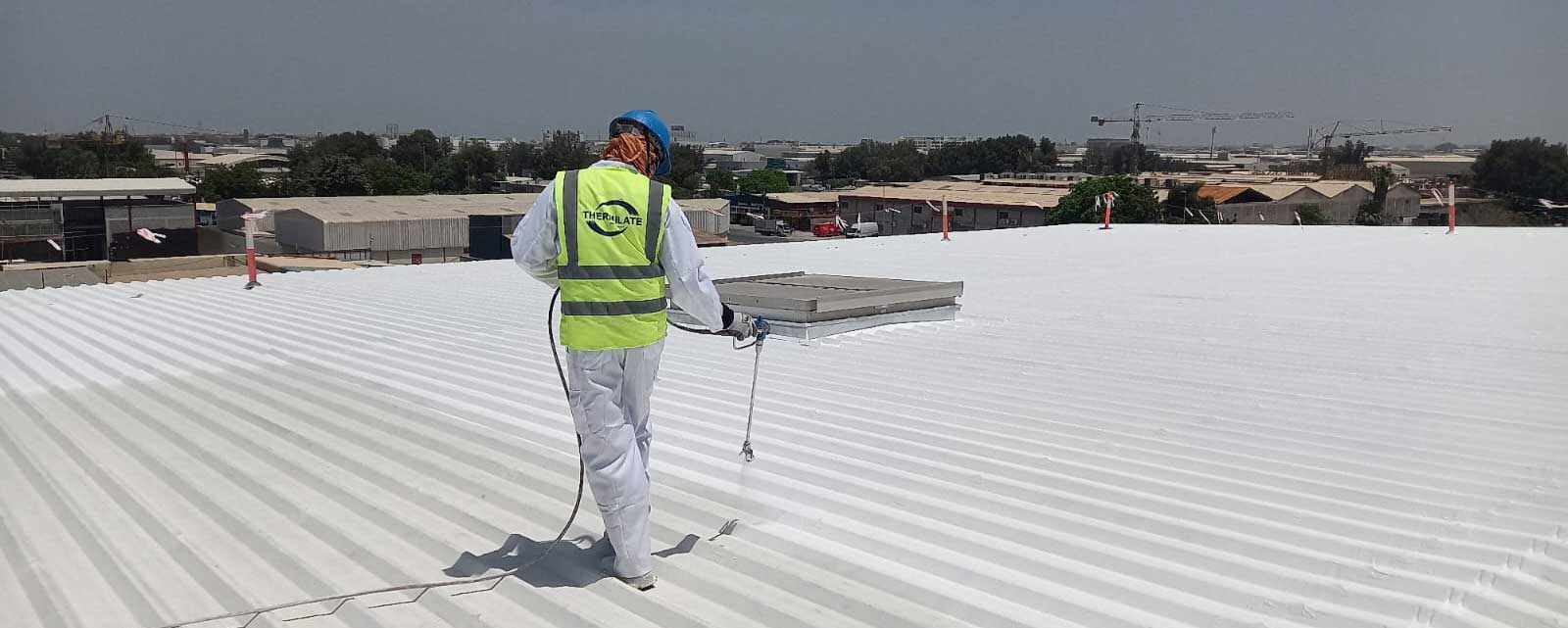
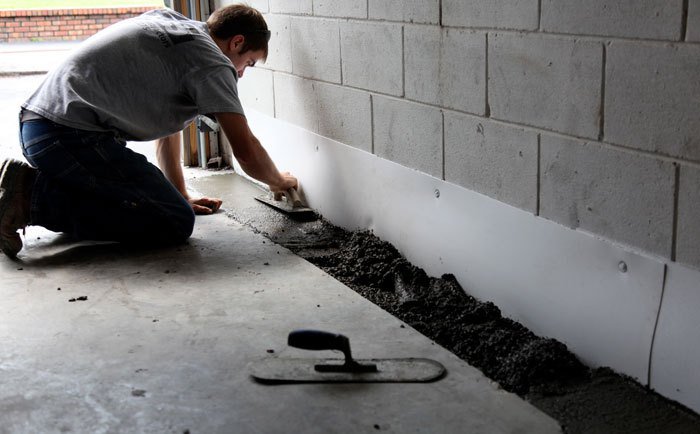
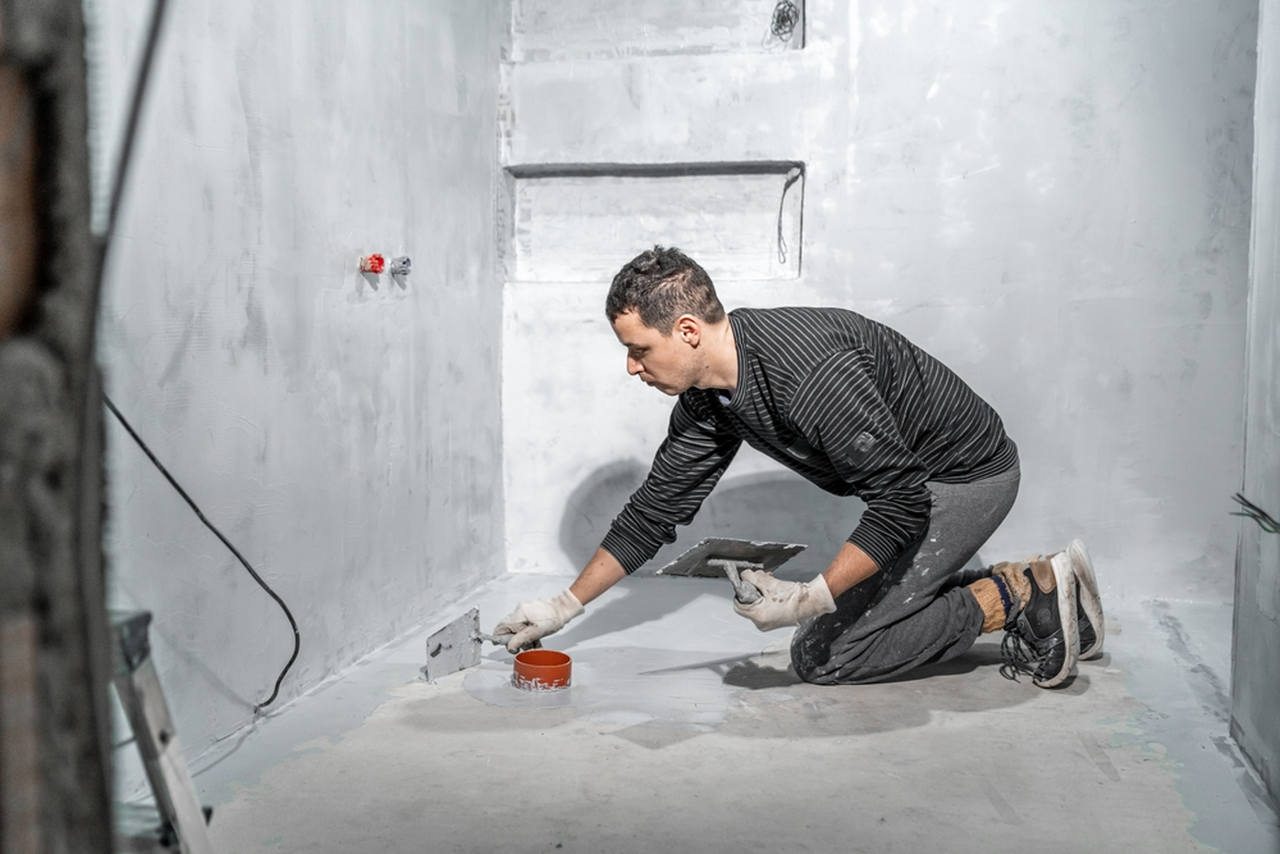
Choosing the right product depends on the application area.
Roof Waterproofing:
Liquid membranes, polyurethane coatings, and UV-resistant systems are ideal due to exposure to sunlight and heat.
Basements and Foundations:
Bituminous membranes and crystalline waterproofing systems provide strong protection against groundwater.
Bathrooms and Kitchens:
Cementitious waterproofing combined with liquid membranes under tiles ensures durability and moisture resistance.
Balconies and Terraces:
Flexible liquid waterproofing systems with protective coatings help manage movement and exposure.
Common Waterproofing Mistakes in Dubai (Avoid These!)
Even the best materials can fail if applied incorrectly. Some common mistakes include:
- Using low-quality materials to reduce costs
- Ignoring proper surface preparation
- Failing to treat expansion joints
- Applying waterproofing during extreme heat conditions
- Skipping protective layers
In fact, most waterproofing failures are due to poor application rather than product defects. Hiring experienced professionals and following proper procedures is crucial.
How Long Should Waterproofing Last in Dubai?
The lifespan of waterproofing systems varies based on the type used:
- Cementitious systems: 5–8 years
- Liquid membranes: 10–15 years
- Bituminous membranes: 15–20 years
- Polyurethane systems: 20+ years
- Crystalline systems: Lifetime (as part of the structure)
Regular maintenance and inspection can further extend the life of these systems.
Why Quality Waterproofing Saves Money
Investing in high-quality waterproofing provides long-term financial benefits.
It prevents structural damage, reduces maintenance costs, and eliminates the need for frequent repairs. It also protects property value and ensures a safe and healthy living environment.
Rather than being an expense, waterproofing should be viewed as a long-term investment in the building’s durability.
Choosing the Right Waterproofing Supplier in Dubai
Selecting the right supplier is just as important as choosing the product itself.
A reliable supplier should offer products tested for UAE conditions, provide technical support, ensure consistent quality, and deliver materials on time. They should also offer a range of solutions tailored to different project requirements.
Working with a trusted supplier ensures better results and fewer risks during construction.
Final Thoughts
Dubai’s climate demands advanced waterproofing solutions. Cutting corners or choosing the wrong materials can lead to serious structural issues and costly repairs.
By selecting the right waterproofing system for each area of your building, you can ensure durability, safety, and long-term performance.
If you are planning a project in Dubai, remember this simple rule—invest in waterproofing now, or pay significantly more for repairs later.
FAQs
1. What is the best waterproofing method for roofs in Dubai?
Liquid waterproofing membranes and polyurethane coatings are the best options due to their flexibility, UV resistance, and ability to handle extreme heat.
2. How long does waterproofing last in Dubai?
Depending on the system used, waterproofing can last anywhere from 5 years to over 20 years, with crystalline systems lasting the lifetime of the structure.
3. Is cementitious waterproofing suitable for outdoor areas?
Cementitious waterproofing is better suited for internal areas. For outdoor applications, flexible systems like liquid membranes are more effective.
4. Why does waterproofing fail in Dubai?
Most failures occur due to poor application, lack of surface preparation, and using low-quality materials rather than the product itself.
5. Can waterproofing be applied in hot weather?
Extreme heat can affect application quality. It’s best to apply waterproofing during controlled conditions or follow manufacturer guidelines.
6. Which waterproofing is best for basements?
Bituminous membranes and crystalline waterproofing systems are ideal for basements due to their strong resistance to groundwater.

Cretepro Building Material Trading LLC is the authorized importer, distributor and Trader of many well-known leading brands for Construction Chemicals, Building Maintenance and Allied products.