
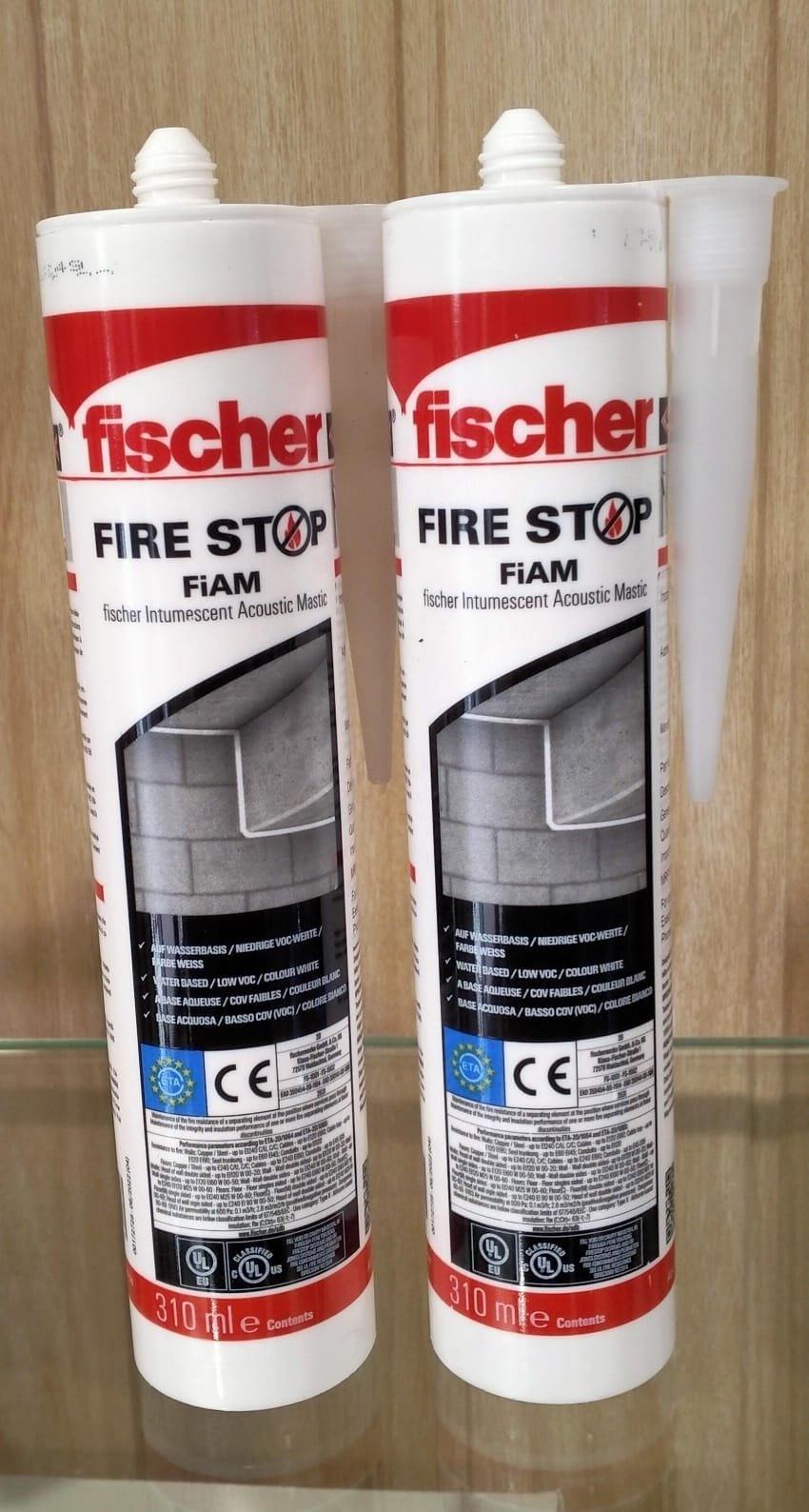
Description
“`html
Frequently Asked Questions
What is the difference between a fire sealant and a standard sealant?
A standard sealant such as a neutral-cure silicone or general polyurethane product has no tested fire resistance. When exposed to fire, it burns, melts, or degrades, creating an open gap in the fire compartment boundary. A fire sealant is tested for use within a firestop system designed to maintain the required fire resistance of a penetration or joint. Some products use intumescent technology, while others use different fire-resistant formulations. The product should be selected according to its tested system, application, and project requirements. Some use intumescent technology, while others use different fire-resistant formulations. The product should be selected according to its tested system, application, and project requirements.
Is fire sealant required for all pipe penetrations through walls?
Where a pipe penetrates a fire-resistance-rated wall or floor, the penetration generally requires an approved firestop system tested for the specific pipe, assembly, penetration configuration, and required fire-resistance rating. Requirements should be confirmed against the project specifications and applicable local fire safety regulations.
Can fire sealant be used on projects across all GCC countries?
Yes. Firestop systems are used across GCC construction projects where fire-rated assemblies require protection at penetrations or joints. The applicable standards, certifications, and approval requirements vary by country, project, and authority having jurisdiction. Contractors should confirm the requirements before procuring products.
How deep does fire sealant need to be applied around a pipe penetration?
The required depth is specified in the tested system configuration for the product being used. For most fire sealant systems, the depth applied must correspond to the tested assembly, as reducing the sealant depth can invalidate the fire rating of the installation. Contractors should always refer to the product’s technical data sheet and the specific tested system documentation, rather than applying the product at an arbitrary depth. Guidance is available from CretePro Trading’s technical team.
How long does fire sealant last, and when does it need to be replaced?
The service life of a firestop sealant depends on the product, tested system, installation conditions, environmental exposure, and building movement. Inspect the system when surrounding construction is modified or when pipes, cables, or other penetrations are added or altered. Any new penetration through an existing fire-rated assembly must be resealed with a compatible, tested firestop system to maintain the required fire resistance.
“`

Reviews
There are no reviews yet.