
Waterproofing for Bathrooms, Wet Rooms & Swimming Pools
Water damage in tiled areas rarely starts where you see it. A ceiling stain or a loose tile often appears long after water has already passed through grout joints and reached the layer beneath the tiles.
Tiles themselves are not waterproof. Grout joints also allow small amounts of moisture through over time. Without a waterproof membrane beneath the tile system, water slowly reaches the screed or concrete layer below. In multi-story buildings, this can lead to leaks into rooms underneath.
That is why waterproofing is installed before tiles are fixed, not after. A membrane applied to the prepared surface forms a barrier that stops water from entering the structure underneath.
CretePro Trading supplies waterproofing systems used under tile installations across the UAE. These membranes are commonly applied in bathrooms, wet rooms, balconies, and swimming pools where water exposure is frequent.
Why Waterproofing Matters Across the GCC
Across the GCC, waterproof coating and damp-proof protection are not optional extras. They are essential requirements built into the fabric of every durable structure. Countries including Bahrain, Kuwait, Oman, Qatar, Saudi Arabia, and the UAE experience climatic conditions that place significant stress on buildings throughout the year.
Rooftop surfaces can reach extremely high temperatures during summer. Coastal regions across the GCC often experience high humidity, which can affect building materials over time. Salt-laden coastal environments can accelerate the deterioration of waterproofing systems, particularly where surface preparation is inadequate. In this environment, any gap in the waterproofing system is not a minor inconvenience. It is a structural risk.
The problem is not limited to bathrooms. In parts of Saudi Arabia, Qatar, Bahrain, and other coastal GCC regions, groundwater and saline soil conditions increase the need for effective waterproofing. Flat roof decks across the region can experience ponding during seasonal rainfall if drainage is inadequate. Balconies and terraces in high-rise towers in Dubai and Abu Dhabi are exposed to both UV radiation and thermal cycling simultaneously. Each of these scenarios requires a waterproof coating that is specified for the actual conditions on site, not a generic product pulled from a catalog.
Waterproof Coatings and Damp-Proof Systems for Structural Protection
Beyond tiled wet areas, waterproof coating products are applied across a wide range of structural surfaces. Concrete roofs, retaining walls, water tanks, and basement slabs all require protection against moisture penetration and hydrostatic pressure. The approach differs by surface type and exposure, but the underlying principle is the same: the waterproofing layer must be continuous, well-bonded, and resistant to the specific stresses that the surface will face throughout its service life.
Cementitious waterproof coatings are applied directly to concrete, block, and masonry substrates. They form a rigid or semi-rigid layer that resists capillary absorption and is used on water tanks, basement walls, and foundation structures. Liquid-applied flexible membranes, such as those in the CretePro range, cure into an elastic layer that accommodates minor substrate movement without cracking. These are the standard choice beneath tiles in bathrooms, wet rooms, and pool surrounds.
Damp-proof treatment addresses a related but distinct problem. Where moisture rises through ground-bearing slabs or migrates laterally through below-grade walls, a damp-proof barrier interrupts capillary movement before it reaches internal finishes. In the GCC, this is particularly relevant for buildings in coastal areas of Kuwait, Bahrain, and Oman, where groundwater levels and soil salinity are elevated. Applying an appropriate damp-proof system at the foundation stage eliminates the primary route for moisture entry into the structure.
Selecting between a rigid cementitious system, a flexible liquid membrane, or a combined approach depends on the substrate, the exposure conditions, and the tile system above. CretePro Trading supplies the full range and can provide technical data sheets and product specifications to help procurement teams and contractors make the right call for their project.
Waterproofing Supply Across the GCC
CretePro Trading supplies waterproofing membranes and waterproof coating systems to projects across the UAE and across the wider GCC region, including Bahrain, Kuwait, Oman, Qatar, and Saudi Arabia. Developers, main contractors, and specialist subcontractors working on hotel fit-outs, residential towers, villa compounds, and infrastructure projects can request product samples, technical data sheets, and project pricing. The team works directly with procurement leads and site-based installers to match the correct product to the substrate, climate, and program on each job.
MC Bauchemie – Waterproofing Beneath Bathroom Tiles
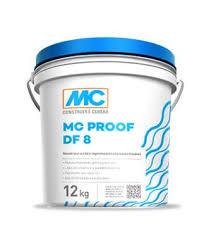
MC Bauchemie produces construction chemical products used in tile and wet area waterproofing systems. In tiled wet areas, their waterproofing products are applied directly to the prepared substrate before tile adhesive is installed.
Once cured, the membrane prevents water from reaching the screed or concrete layer beneath the tiles. This is particularly important in apartments, hotels, and commercial buildings where bathrooms sit above other occupied spaces.
Typical uses include bathroom floors, shower areas, wet rooms, and balconies finished with tiles.
View MC Bauchemie
Innobit – Flexible Waterproofing for Wet Areas
Innobit is a liquid waterproofing membrane that cures into a flexible protective layer. Instead of forming a rigid coating, the membrane remains slightly elastic after drying.
That flexibility helps in hot climates such as the UAE where building surfaces expand and contract. A flexible membrane moves with the substrate and maintains the waterproof barrier.
Innobit is commonly used on bathroom floors, shower walls, wet rooms, and balconies exposed to sunlight and rain.
View Innobit
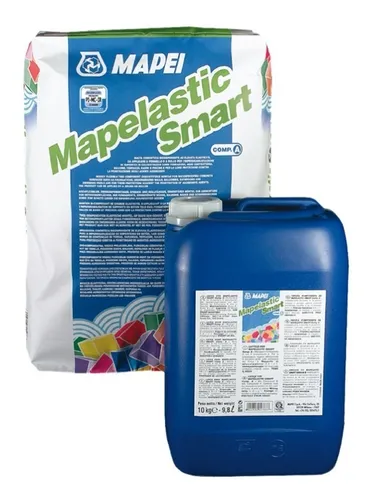
Mapelastic Smart – Waterproofing for Pools and Wet Rooms
Mapelastic Smart is a two-component waterproofing membrane developed by Mapei. Installers mix a liquid polymer with a powder component to create a flexible coating.
This membrane can bridge small cracks in the substrate, which helps prevent water leakage where minor movement occurs.
It is frequently used for shower trays, bathroom floors, wet rooms, balconies, terraces, and swimming pools.
View Mapelastic Smart
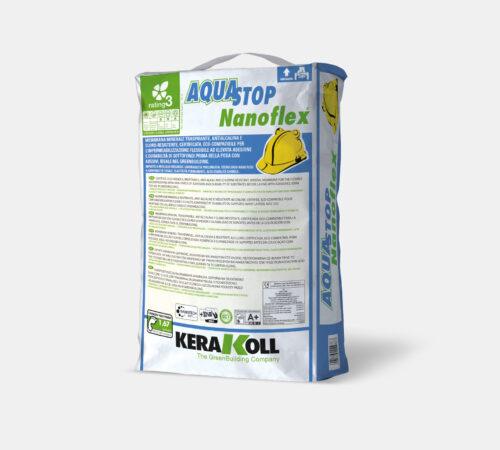
Kerakoll Nanoflex – Waterproofing for Renovation Projects
Renovation work often involves existing substrates that are not perfectly new. Screed, concrete, or previously prepared surfaces may remain in place.
Kerakoll Nanoflex bonds well to common construction surfaces while creating a flexible waterproof barrier beneath the tiles. This makes it useful for bathroom upgrades and wet area renovations.
It is commonly applied before re-tiling bathrooms, wet rooms, and other moisture-exposed areas.
View Kerakoll Nanoflex
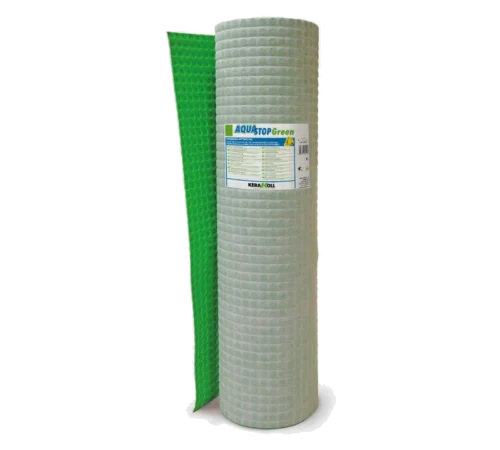
Kerakoll Green Pro – Waterproofing for Low-Emission Projects
Some construction projects now require building materials with lower environmental impact. Hospitality, residential, and commercial developments often follow green building standards.
Kerakoll Green Pro is a flexible waterproofing membrane designed for these projects. It protects tiled wet areas from moisture while meeting low-emission material requirements.
Typical applications include bathrooms, wet rooms, and commercial spaces where environmentally responsible materials are specified.
View Kerakoll Green Pro
Waterproofing Supply Across the UAE
CretePro Trading supplies waterproofing membranes for bathroom floors, wet rooms, balconies, and swimming pools across the UAE. Contractors, developers, and procurement teams can request product specifications, technical data sheets, and project pricing.
For product enquiries or supply information, contact the team to discuss the waterproofing requirements of your project.
Frequently Asked Questions
How do contractors test bathroom waterproofing before tiles are installed?
Contractors perform a flood test by filling the waterproofed area with water and leaving it for about 24 hours. If the water level remains stable and no damp patches appear below, the membrane is considered properly sealed.
Do bathroom walls require waterproofing as well as floors?
Yes. Floors always require waterproofing, and shower walls are typically coated as well. This prevents moisture from penetrating behind tiles and damaging underlying surfaces such as plaster, screed, or concrete.
What preparation is needed before applying a waterproof membrane?
The substrate must be clean, dry, and free from dust, grease, or loose particles. Cracks and joints should be repaired, and a primer is often applied to improve adhesion before installing the waterproof membrane.
How long should waterproofing cure before tiling begins?
Most liquid waterproof membranes require around 12–24 hours of curing before tile adhesive can be applied. The exact curing time depends on the product, temperature, and humidity conditions.
Can the same waterproof coating be used in a bathroom and on a flat roof?
Not always. Bathroom membranes are designed for intermittent water exposure under tiles, while roof membranes must resist UV exposure, ponding water, and thermal stress. Using the wrong system may lead to failure, so product specifications must match the application.
What is the difference between waterproofing and damp proofing?
Waterproofing resists hydrostatic pressure and is used in areas like pools, basements, and water tanks. Damp-proofing prevents moisture absorption through materials and is typically used to stop rising damp. Both systems are used in different parts of construction.
Which waterproofing membrane is best for a swimming pool in the UAE?
Two-component cementitious membranes such as Mapelastic Smart are commonly used because they bond to concrete, handle water pressure, and allow tile application. They are applied in two coats with reinforcement at joints.
How many coats of waterproof membrane are required before tiling?
Most systems require two coats. The first is applied and allowed to cure, followed by a second coat applied perpendicular to ensure full coverage. Reinforcement is added at corners and joints as per manufacturer guidelines.
Are CretePro waterproofing products available for projects across GCC countries?
Yes. CretePro Trading supplies waterproofing membranes across the GCC, including Saudi Arabia, Qatar, Bahrain, Kuwait, Oman, and the UAE. Contact the team for specifications, pricing, and availability.
